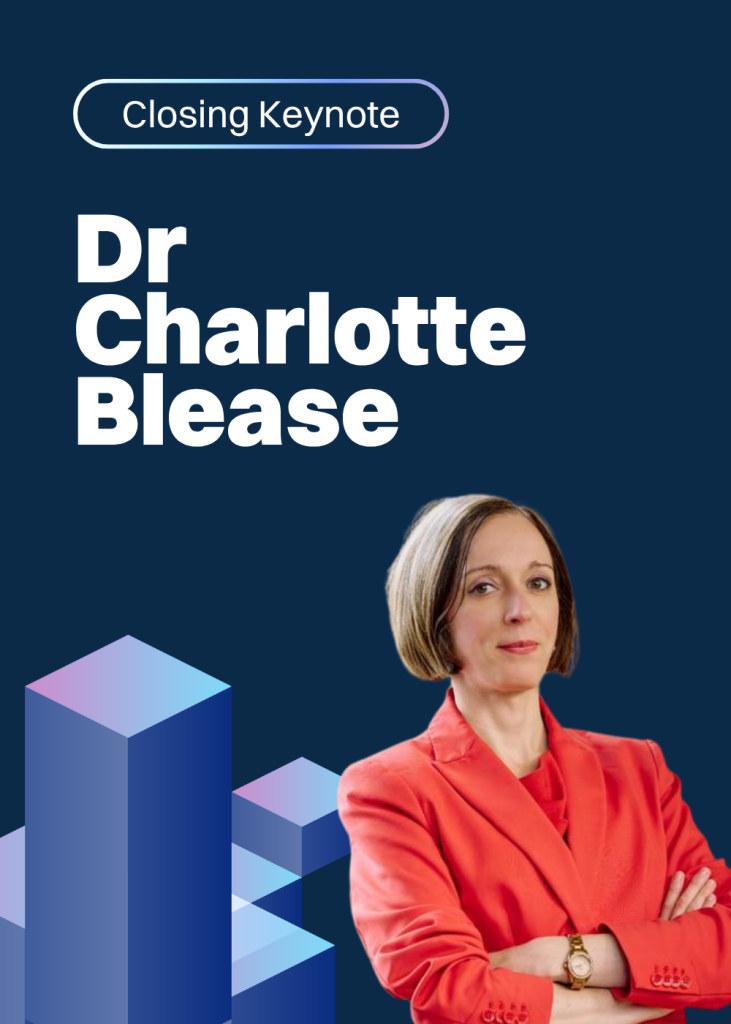

Challenging what we think we know.
What if some of the assumptions we rely on no longer hold?
The opening and closing keynotes at SCDM EMEA 2026 will push you to challenge familiar narratives – about global stability, technological progress, and the role of data in healthcare. By encouraging us to question, reflect, and rethink, these sessions open the door to sharper judgment, better questions, and more informed decisions throughout in your daily work.
What if some of the assumptions we rely on no longer hold?
The opening and closing keynotes at SCDM EMEA 2026 will push you to challenge familiar narratives, about global stability, technological progress, and the role of data in healthcare. By encouraging us to question, reflect, and rethink, these sessions open the door to sharper judgment, better questions, and more informed decisions in your daily work.
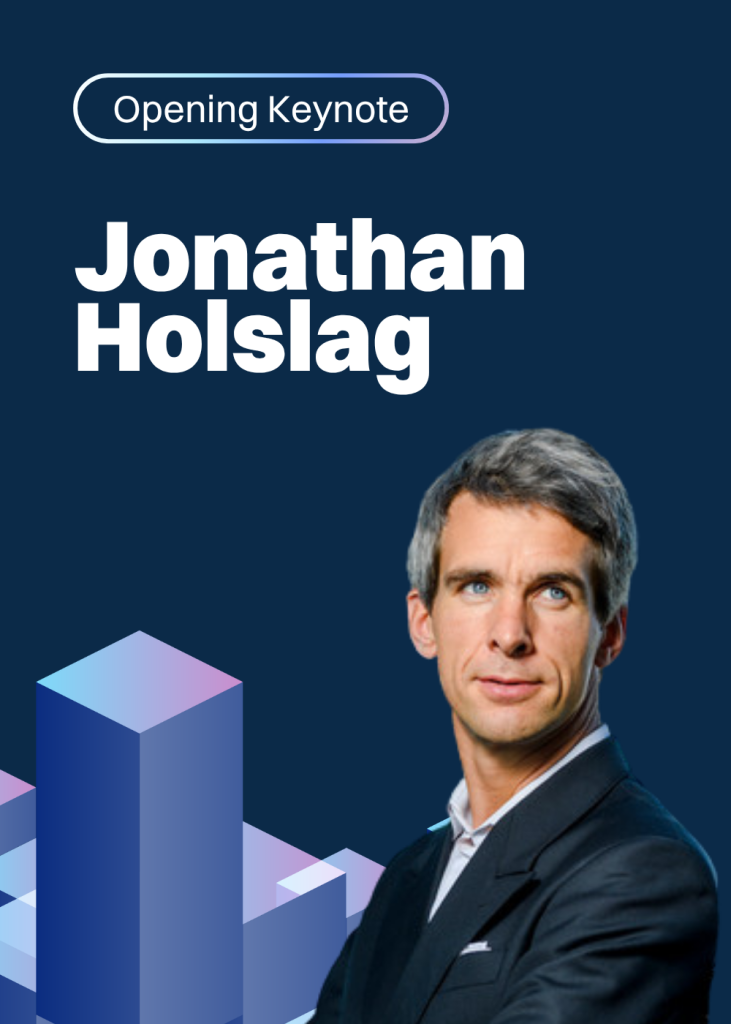
Navigating a Fragmented World: Strategy, Resilience, and Europe’s Role in the New Global Order
Monday, 4 May 2026. From 9:15 to 10:30.
Jonathan Holslag is a Belgian political scientist and Professor of International Politics at the Vrije Universiteit Brussel, known for his sharp, realist analysis of global power shifts and for challenging comfortable narratives. His work connects geopolitics, trade, security, and history to the decisions societies make under pressure. By opening the SCDM 2026 EMEA Conference with this wider context, Jonathan sets the context for everything that follows, inviting us to think more critically about resilience, long‑term consequences, and the assumptions we bring into our work.